Temporomandibular (TMJ) is a jaw disorder. You might have heard about it. But, in case you do not know about this disease, then this article is designed especially for you. Read it out and grab all the information about the jaw problem and other issues related to Temporomandibular (TMJ). Some people feel acute pain in the jaw area, head, neck, and ears. Many people do not know what the actual reason behind this pain is. People used to take pain killers for headaches and assume that it is normal pain. But, it does not go away with a pain killer. A few of you take it lightly and do not visit the doctor. While some go and find out that they are having Temporomandibular (TMJ). That is why they have this acute ache in the skull area.
When it comes to the reason for the Temporomandibular (TMJ), researchers are still finding the real reason. No one can say that this is the primary cause of TMJ. It can happen to anyone and due to any problem in jaw joints.
Temporomandibular (TMJ) does not only cause pain, it can affect the jaw joints. Thus, it creates problems in chewing, eating, speaking, and movement of the mouth. So, the treatment becomes necessary. Some people face speaking issues from their childhood. Many doctors and parents assume that there is something bad in the tongue. But, the actual reason is Temporomandibular (TMJ), which is usually unknown to many. Moreover, a few of them think that this is an inherent disease and untreatable now. But, if a physician diagnosis the problem, then they can treat this disorder and find out different ways to get you relief from pain. When it comes to the percentage of the disease, women are suffering twice percent more than men. Some people do not develop serious issues because of the TMJ; however, a few people who do not pay attention to their syndromes and treatments can lead to severe muscles and joint problems.
Temporomandibular (TMJ) Joint
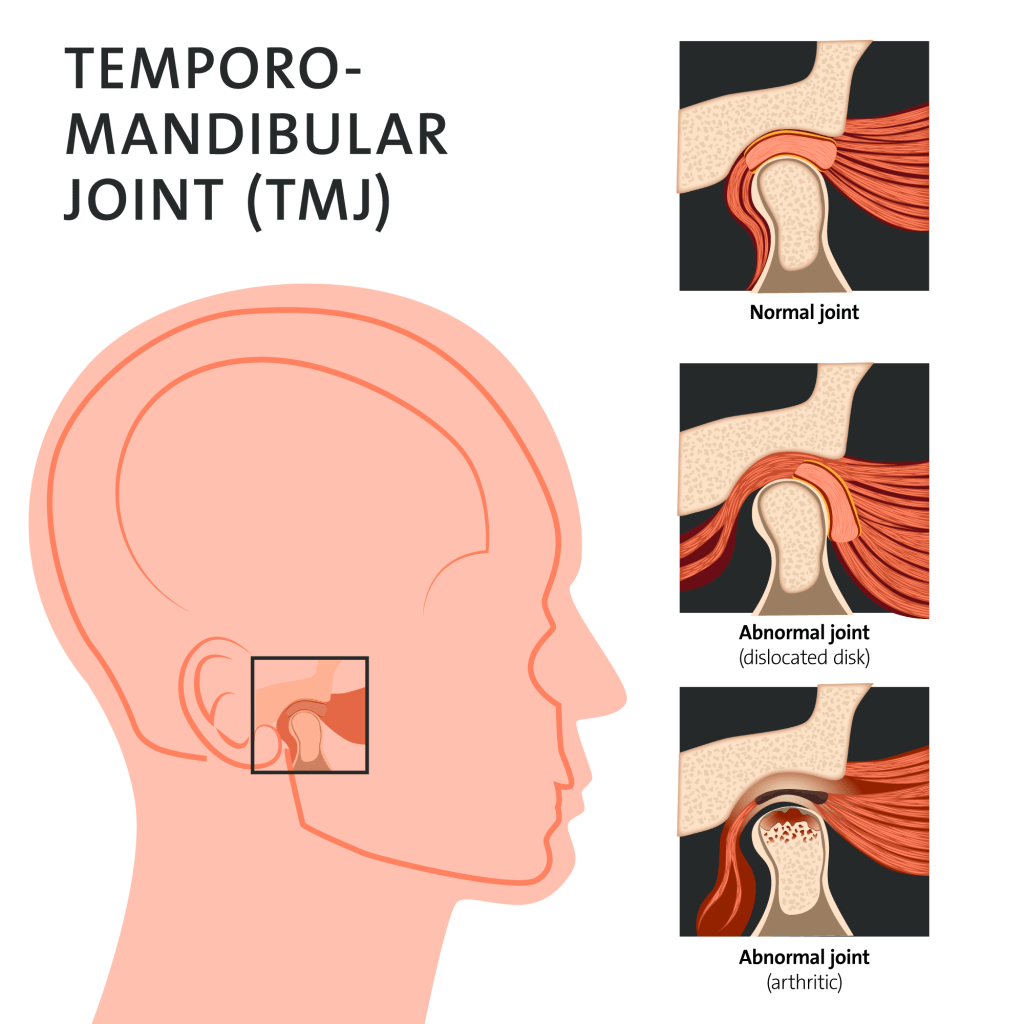
Temporomandibular (TMJ) is a joint that connects the lower jaw or mandible to the temporal bone at the side of the skull. You can feel this joint when you place your finger in front of your ear. After placing the finger, open your mouth, then close it, you will feel a joint that is helping the mouth in opening and closing. These are small, soft, and flexible joints present in front of both ears. Because of the TMJ, a person can talk, chew, open, and close the mouth. When there is a defect in the Temporomandibular (TMJ), then the person faces serious threats in speaking, chewing, and opening/closing of the mouth. Due to the TMJ disorder, a person also faces acute pain in different parts of the skull. Moreover, when the condition gets worst, it does not remain to the head portion, it causes pain in the shoulders, neck, and surrounding muscles. Thus, timely examination and treatment are necessary for Temporomandibular (TMJ) disorder.
Signs and Symptoms of Temporomandibular (TMJ)
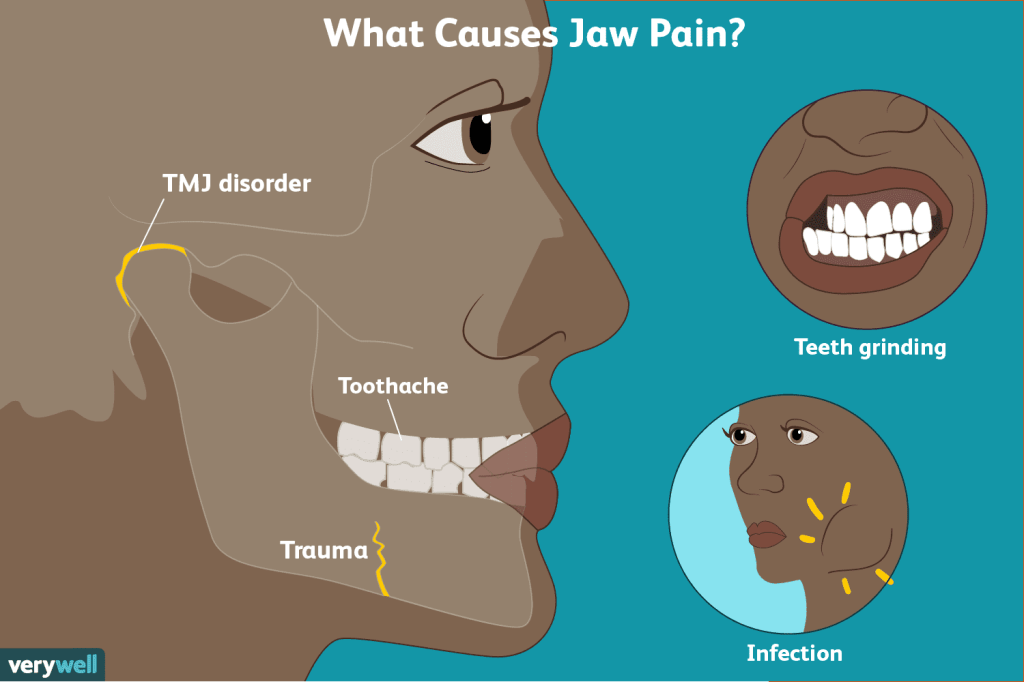
One of the common sign is pain in the head, neck, shoulder, muscles, and jawline. It can also cause aches in the teeth and gums. People think that this is because of sensitive gums or tooth cavity; however, the root cause is totally different. Moreover, everyone develops different symptoms. Some people do not face shoulder or head pains. It only causes pain in the opening and closing of the mouth. Thus, you cannot stick to one reason.
Moreover, a few people feel pain only in eating food. When they do not speak or chew, they do not realize ache or soreness.
When it comes to the cause of the Temporomandibular (TMJ) syndrome, bruxism is one of the common reasons.

